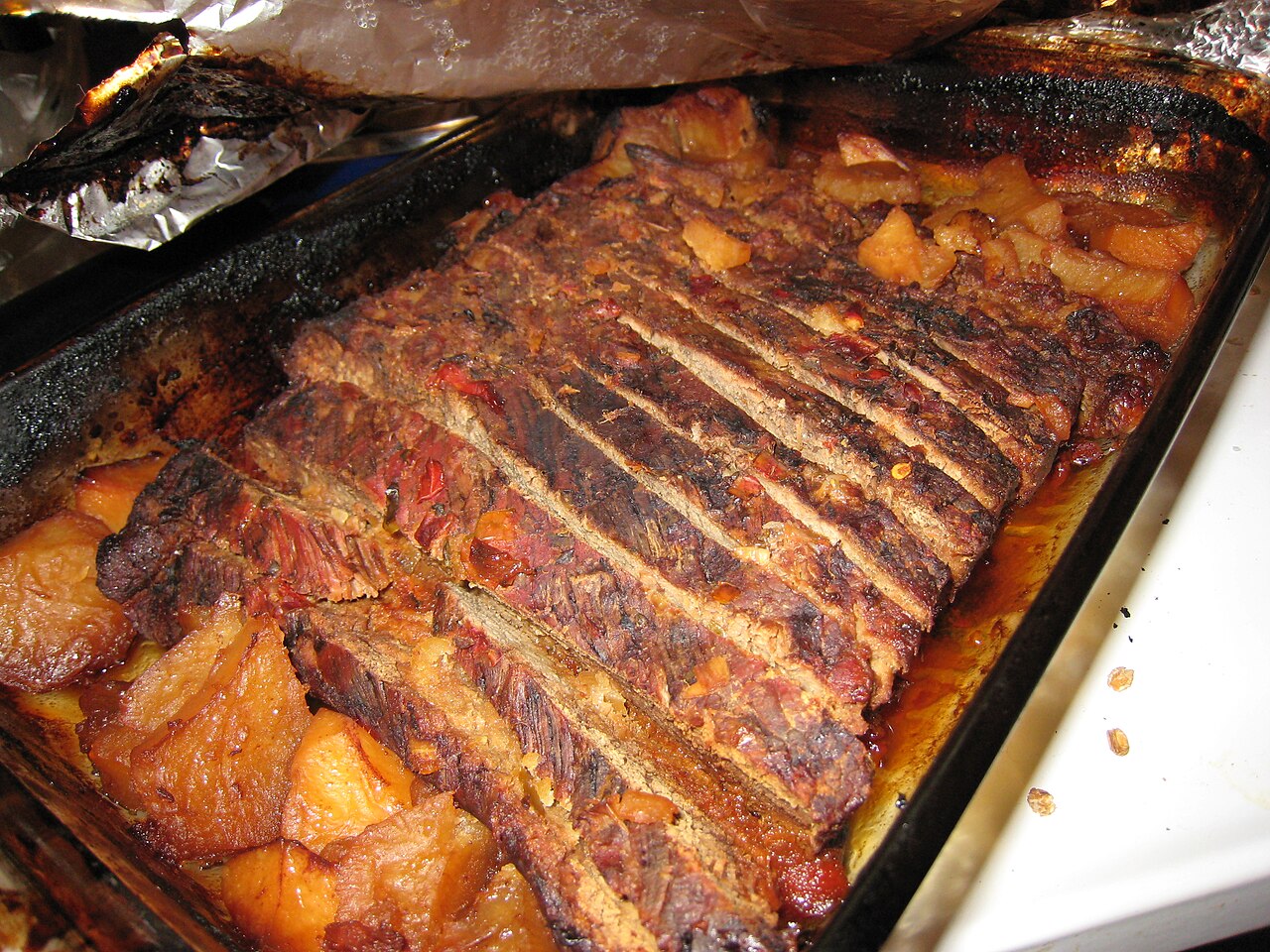
There's an undeniable culinary magic that happens when a humble, tough cut of meat meets the gentle, enduring heat of a slow cooker. It’s a transformation, a culinary alchemy that converts sinewy fibers into pure, melt-in-your-mouth goodness. Few cuts exemplify this delicious metamorphosis quite like beef brisket. Often overlooked or intimidating to the uninitiated, brisket, when treated with patience and low heat, delivers a depth of flavor and a tenderness that's simply unrivaled. If you've ever wondered how to achieve that coveted fork-tender perfection, the secret lies in the 'low and slow' method, and the slow cooker beef brisket reigns supreme in making this process effortless.
Brisket Demystified: The King of Slow Cooking Cuts
Before we delve into the cooking process, let's understand what brisket is and why it's so perfectly suited for the slow cooker. Brisket is a primal cut of beef taken from the lower chest or breast of the animal. Because cattle use their chest muscles extensively for standing and movement, this area is rich in connective tissue, particularly collagen.
What Makes Brisket Unique?
- High in Connective Tissue: Unlike tenderloin or sirloin, brisket is a working muscle, meaning it has a significant amount of collagen. This collagen is what makes raw brisket seem tough.
- Flavor Profile: Despite its initial toughness, brisket boasts an incredibly rich, beefy flavor that stands up well to robust seasonings and long cooking times. It offers a deeper, more pronounced beef essence compared to other slow-cooking cuts like chuck.
- Texture Transformation: The unique characteristic of brisket is its ability to become astonishingly fork-tender while still retaining enough structural integrity to be sliced. This is a culinary marvel that few other cuts can replicate as effectively.
- Versatility: While "brisket" refers to the raw cut, it's also the foundation for beloved dishes like corned beef and pastrami, which are brined and cured versions. It’s important to note that the pink color of cooked corned beef or pastrami is due to curing salts, not undercooked meat. Plain cooked brisket should not be pink.
For those seeking a substitute, a rolled chuck roast, often used for pot roasts, is the closest in terms of requiring slow cooking to tenderize. However, it won't quite achieve the same sliceable yet tender texture that makes brisket so special.
The Science of Slow Cooking: Unlocking Tenderness
The magic behind achieving that fall-apart tender slow cooker beef brisket lies in the scientific process that occurs during extended periods of low-heat cooking. It’s not just about cooking the meat; it’s about transforming it.
The Collagen Conversion
The star of this transformation is collagen. When meat cooks at high temperatures quickly, collagen contracts and toughens, squeezing out moisture. However, when cooked slowly and at a low temperature (typically between 160°F and 205°F / 71°C and 96°C), a different reaction occurs:
- Gelatinization: Over several hours, the tough collagen fibers slowly break down and dissolve into gelatin. Gelatin is a wonderfully rich, viscous substance that melts at body temperature, creating that luscious, melt-in-your-mouth sensation we crave.
- Moisture Retention: Slow cooking in a moist environment, like a slow cooker, prevents the meat from drying out. As collagen converts to gelatin, it also helps trap moisture within the meat, resulting in an incredibly juicy final product.
- Flavor Infusion: The extended cooking time allows the brisket to absorb the flavors of its braising liquid – be it herbs, spices, or a rich homemade BBQ sauce – deeply into its fibers, creating a truly harmonious and intensely flavored dish.
This "low and slow" method, therefore, isn't just a cooking technique; it's an essential chemical process that makes brisket not just edible, but truly exceptional. It’s a testament to the power of patience in the kitchen, turning an initially unyielding cut into a culinary masterpiece with minimal effort on your part.
Mastering the Art of Slow Cooker Beef Brisket
Creating an unforgettable slow cooker beef brisket is surprisingly straightforward, especially when armed with a few key techniques and a commitment to flavor. The beauty of the slow cooker is its ability to do the heavy lifting for hours, infusing every fiber of the brisket with rich taste.
The Flavor Foundation: Rubs and Sauces
The journey to a perfect slow cooker brisket begins with building layers of flavor. While marinades are great for faster cooking methods like roasting, the extended cook time in a slow cooker achieves the same deep flavor penetration without the need for pre-marination. A robust spice rub is your starting point:
- The Spice Rub: A well-balanced rub typically includes a mix of savory, sweet, and smoky elements. Think paprika (smoked for extra depth), garlic powder, onion powder, brown sugar, salt, pepper, cumin, and a touch of cayenne for a subtle kick. Liberally coat your brisket with this rub; it will form a flavorful crust.
- The Homemade BBQ Sauce: This is where your slow cooker truly shines. Instead of relying on bottled sauces, crafting your own ensures fresh, vibrant flavors that complement the brisket perfectly. A typical homemade BBQ sauce for a slow cooker brisket often includes ingredients like ketchup, apple cider vinegar (for tang), Worcestershire sauce, minced garlic, and a blend of spices that often mirrors your rub. You can learn more about perfecting your homemade sauce for this dish here: Transform Brisket: Homemade BBQ Sauce & Slow Cooker Magic.
The Slow Cooking Process: Set It and Forget It
Once your brisket is seasoned and nestled into the slow cooker, the passive cooking truly begins:
- Layering Ingredients: Pour your homemade BBQ sauce ingredients into the slow cooker first, creating a flavorful bed. Then, place the seasoned brisket on top. Ensure the liquid comes part-way up the sides of the brisket, but it doesn't necessarily need to be fully submerged.
- Low and Slow: Cook the brisket on the 'low' setting for 8 to 10 hours. This extended period is crucial for the collagen breakdown and flavor development. Resist the urge to lift the lid frequently, as this releases heat and moisture, prolonging the cooking time.
- Checking for Doneness: The ultimate test for a perfectly cooked slow cooker beef brisket is tenderness. It should be easily pierced with a fork and pull apart without resistance. If it’s tough, it simply needs more time.
The Finishing Touches: Caramelization and Reduction
While the slow cooker delivers tenderness and deep flavor, a few final steps elevate your brisket to restaurant-quality:
- Caramelize the Crust: After slow cooking, carefully transfer the brisket to a baking sheet. A quick stint in a hot oven (around 375-400°F / 190-200°C) or under the broiler for 10-15 minutes will create a beautifully caramelized, slightly crispy crust, adding texture and visual appeal.
- Reduce the Sauce: Meanwhile, pour the rich cooking liquid from the slow cooker into a saucepan. Simmer it over medium-high heat, stirring occasionally, until it reduces and thickens into a luscious, syrupy BBQ sauce. This concentrated sauce will be bursting with the flavors of the brisket and spices.
- Rest and Serve: Let the brisket rest for 10-15 minutes before slicing against the grain. This allows the juices to redistribute, ensuring maximum moisture. Drizzle generously with your homemade reduced sauce. You can find a complete step-by-step guide to this mouth-watering meal here: Unlock Tender Brisket: The Ultimate Slow Cooker BBQ Recipe.
Serving Suggestions and Common Questions
A perfectly cooked slow cooker beef brisket is incredibly versatile and forms the centerpiece of many memorable meals.
What to Serve with Your Brisket
The rich, savory flavor of brisket pairs beautifully with a range of sides that offer contrast in texture and taste:
- Classic Sides: Creamy coleslaw, macaroni salad, steamed corn on the cob, or a fluffy baked potato are traditional companions.
- Bread and Rolls: Pile the shredded or sliced brisket high onto soft brioche buns or slider rolls for epic sandwiches.
- Heartier Options: Serve alongside mashed potatoes, roasted vegetables, or even polenta for a more substantial meal.
- Freshness: A simple green salad with a vinaigrette can cut through the richness of the meat.
Frequently Asked Questions
Q: Is brisket supposed to be pink when cooked?
A: No, plain cooked beef brisket should not be pink. If it is, it's significantly undercooked and will be tough. Brisket cannot be eaten rare. The exception is cured products like pastrami or corned beef, which are pink due to the curing salts used.
Q: Can I use another cut of meat instead of brisket?
A: While no cut has identical cooking qualities to brisket, rolled chuck roast is the best substitute for this slow-cooking method, offering similar tender results, though with a slightly different texture.
Q: How long does it take to cook in other methods?
A: In a pressure cooker, brisket can be ready in about 1 hour 15 minutes. In a conventional oven, you'd typically cook it for around 5 hours at 320°F (160°C).
Q: How do I store and reheat leftover brisket?
A: Store leftover brisket and sauce in an airtight container in the refrigerator for up to 3-4 days. To reheat, gently warm it in the oven (covered with foil to retain moisture) or in a pot on the stovetop with a little extra broth or sauce.
From the robust aroma filling your kitchen to that first tender bite, mastering slow cooker beef brisket is a deeply satisfying culinary journey. It’s a testament to the fact that with a little patience and the right technique, even the toughest cuts can be transformed into a dish of exquisite perfection. So, embrace the 'low and slow' philosophy, and prepare to create a truly unforgettable meal that will have everyone asking for seconds.
